What to actually expect from a one-year-old
Quick answer
One-year-old behaviour is shaped by rapid development, growing independence and limited communication skills. This guide explains common behaviours at this age and what parents can expect as their child develops.
I honestly think one-year-olds catch a lot of parents off guard.
People prepare you for the newborn stage, but nobody really explains the strange in-between stage where your baby suddenly becomes a tiny opinionated person with absolutely no sense of danger.
One minute they’re clingy.
The next they’re climbing furniture like a stunt performer.
They want independence, but still need reassurance constantly.
They scream because you helped them, then cry because you stopped helping them.
A lot of it feels chaotic — but most of it is actually very normal toddler development.
They want freedom… without understanding danger
One-year-olds suddenly realise they can move independently — but they have almost no understanding of risk yet.
This is usually the stage where:
climbing starts
cupboards become fascinating
they insist on walking everywhere alone
they grab literally everything
they get angry when helped
I remember feeling like I spent the whole day just following behind preventing accidents.
But honestly, I also realised pretty quickly that toddlers do actually need safe ways to explore.
Instead of locking absolutely everything away, it can help to give them small areas they’re allowed to access independently.
Sometimes that looks like:
one low cupboard or drawer they’re allowed to open
safe kitchen utensils they can explore
supervised climbing opportunities
teaching them how to safely go up and down stairs instead of only blocking access forever
Obviously safety still matters, but toddlers learn a lot through movement, repetition, and figuring out how things work.
A lot of this stage is balancing supervision with safe independence.
As mentioned in my leaving the house with a baby guide, this age can suddenly make everyday tasks feel much harder because you’re supervising constantly.
They test limits… not to be difficult
This stage can easily feel personal when you’re exhausted.
The ignoring.
The throwing things.
The doing the exact opposite of what you just asked.
But most one-year-olds aren’t trying to be “bad.”
They’re experimenting with:
reactions
boundaries
independence
communication
emotional control
That’s why this stage often comes with:
saying “no” constantly
meltdowns over tiny things
frustration when they can’t communicate properly
repeating behaviours after correction
testing your reactions repeatedly
One thing that helped me mentally was realising they’re learning how the world works — not trying to ruin my day specifically.
Consistency usually works better than reacting emotionally every single time.
What helps: Products I actually used
Cupboard locks — useful for genuinely unsafe areas
Toddler tower/learning tower — safer independence during everyday tasks
Silicone suction plates — helpful during the throwing-food era
They still need reassurance
One-year-olds often look independent while still emotionally needing you very close by.
This can look like:
playing beside you instead of directly with you
constantly “checking back in”
becoming clingier after busy days
suddenly wanting comfort very quickly
watching your reactions carefully
Honestly, I noticed mine often wanted my presence more than actual interaction.
They just wanted to know I was there.
A lot of parents worry they’ve “made them too clingy,” but needing reassurance is still completely normal at this age.
As mentioned in my why suddenly so clingy guide, independence and attachment often grow at the exact same time.
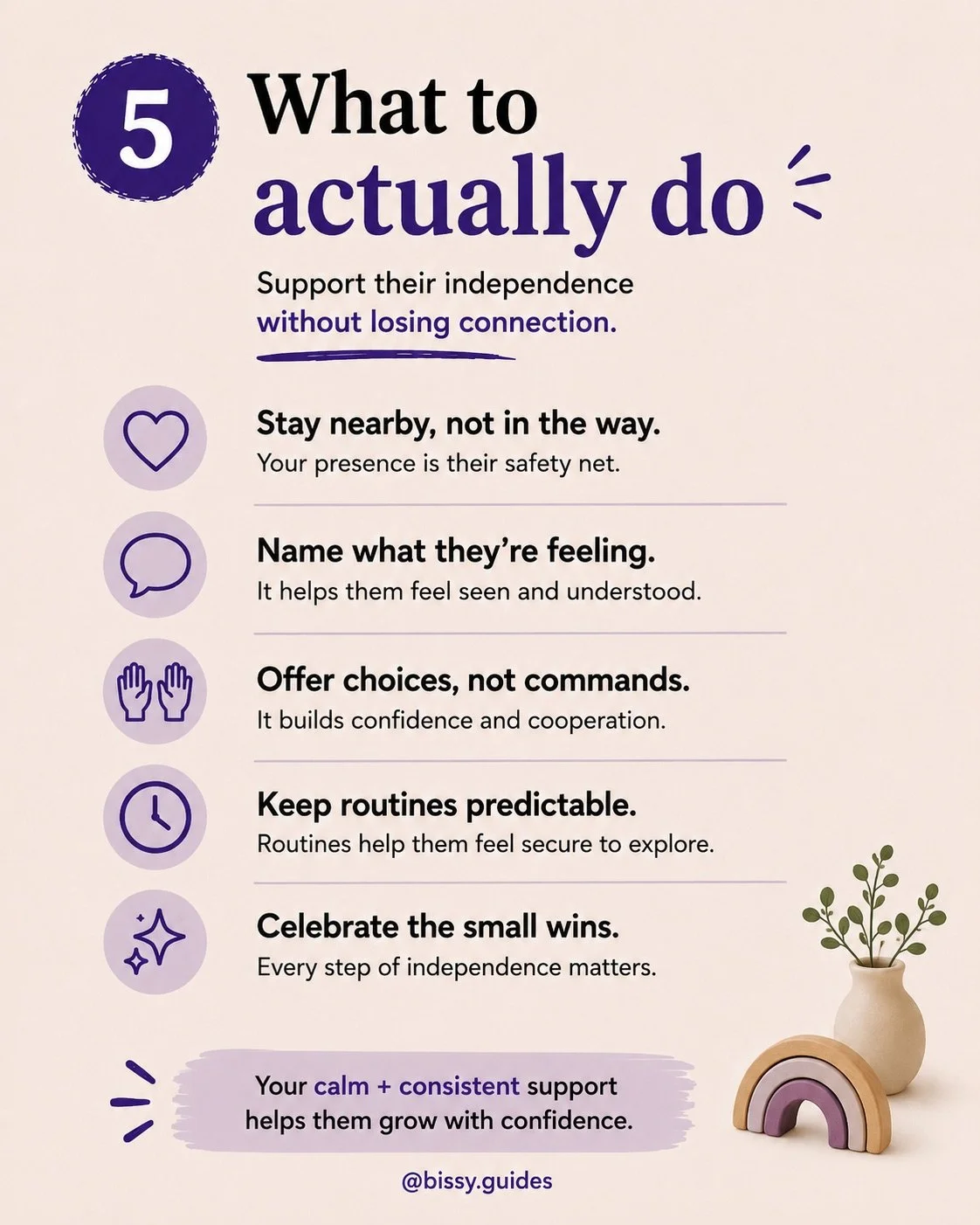
What actually helps
This stage feels much easier when you stop expecting perfect behaviour all the time.
What helped me most was:
staying calm more consistently
keeping routines predictable
offering small choices instead of constant commands
staying nearby while still allowing independence
teaching instead of only correcting constantly
One-year-olds usually respond better to calm repetition than constant correction.
Some days will still feel loud and chaotic regardless though.
That’s just toddler life sometimes.
As mentioned in my baby overstimulation and overtired guide, a lot of evening meltdowns at this age are actually overtiredness showing up later.
Final thought
I think one-year-olds make more sense once you realise they’re trying to become independent while still emotionally needing a lot of support.
It’s a strange stage because they suddenly look much bigger — but emotionally they’re still very little.
And honestly, some days will still feel chaotic no matter how patient you are.
This isn’t professional advice — just a simple breakdown of what I’ve found helpful.
Most of this is easier to understand visually.
I’ve put all my guides into one place so you can browse them properly.
FAQs
Why does my one-year-old suddenly say “no” to everything?
One-year-olds are discovering independence and control. Saying “no” is often part of learning boundaries and communication.
Is it normal for toddlers to test limits constantly?
Yes. Toddlers learn through repetition, reactions, and experimenting with boundaries. It’s a very normal developmental stage.
Why is my one-year-old suddenly clingy?
A lot of toddlers become more clingy while also becoming more independent. They still need reassurance while exploring the world more confidently.
Why does my toddler get angry when I help them?
They often want independence before they actually have the skills to do things alone yet. That frustration can show up as anger or tantrums.
Why are one-year-olds so emotional?
Their emotions develop faster than their communication and self-regulation skills. Big feelings with limited language often lead to meltdowns.
Explore more guides